
BijouBlog

Interesting and provocative thoughts on gay history, gay sexual history, gay porn, and gay popular culture.

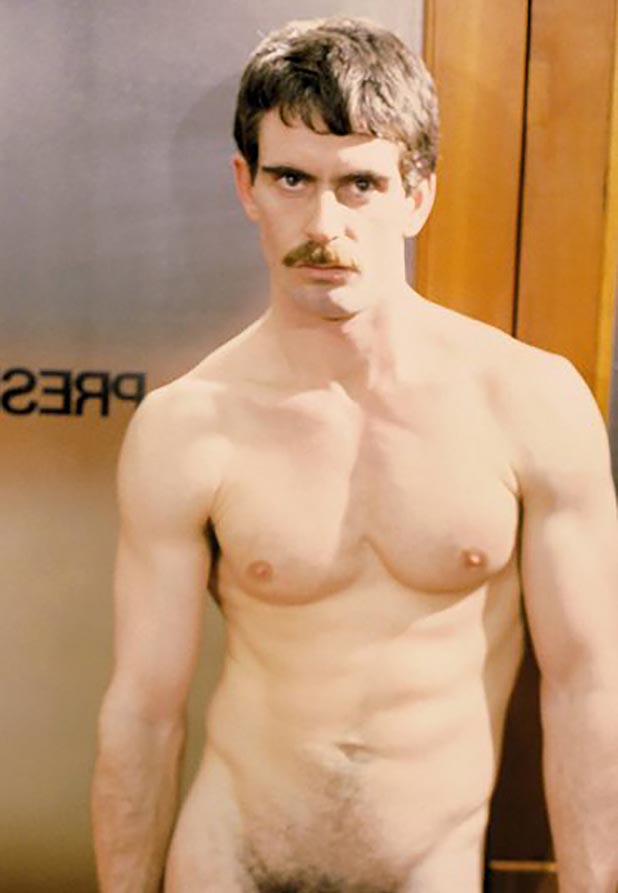
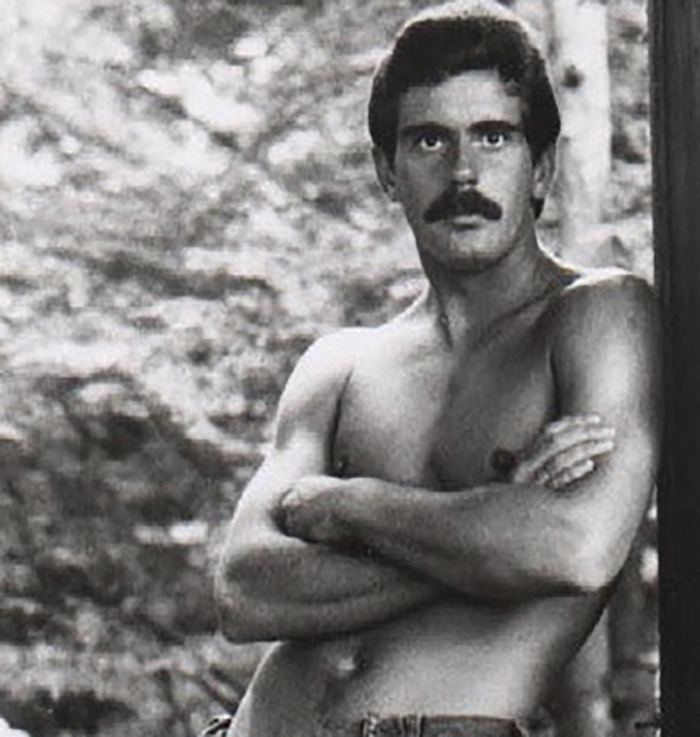
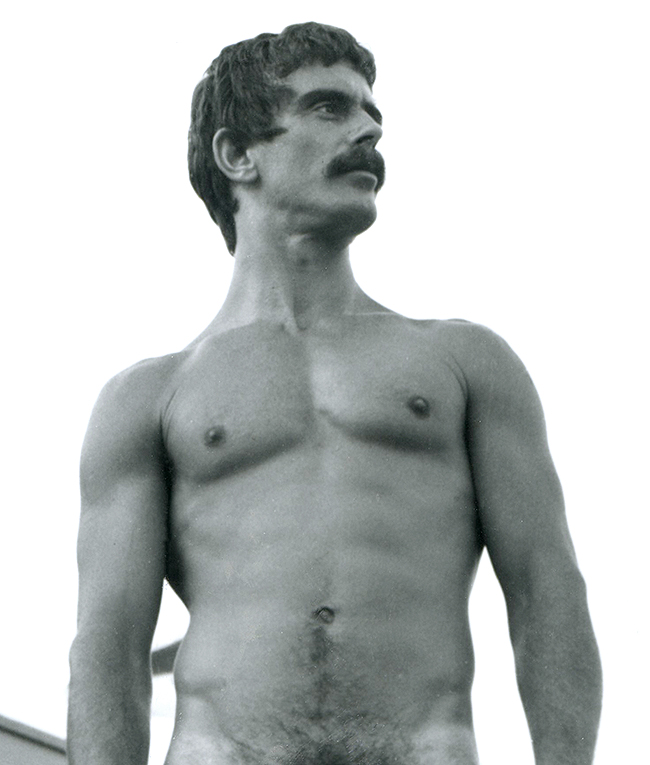
Retrostuds of the Past: Richard Locke

posted by guest blogger Miriam Webster


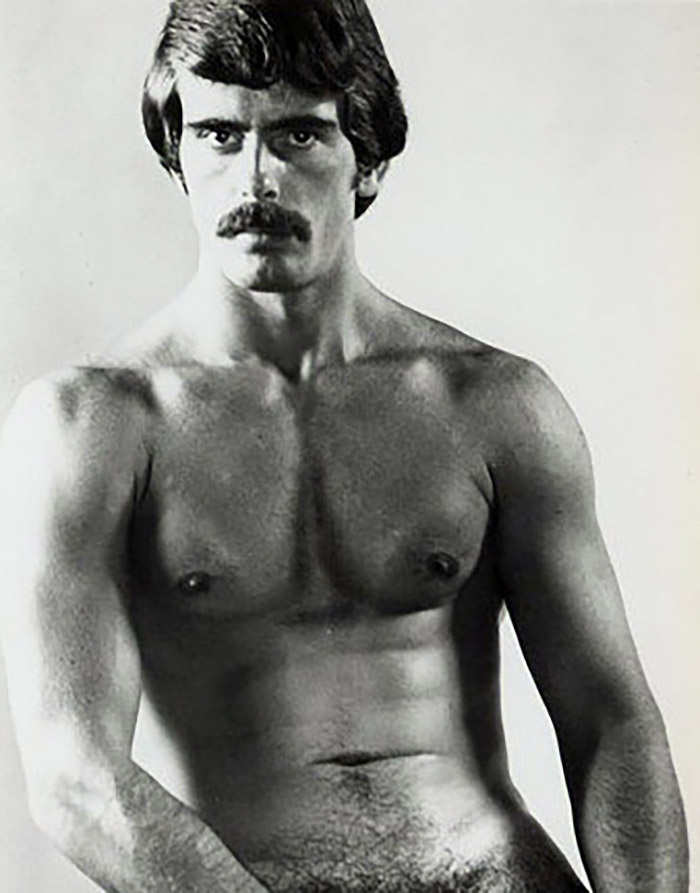
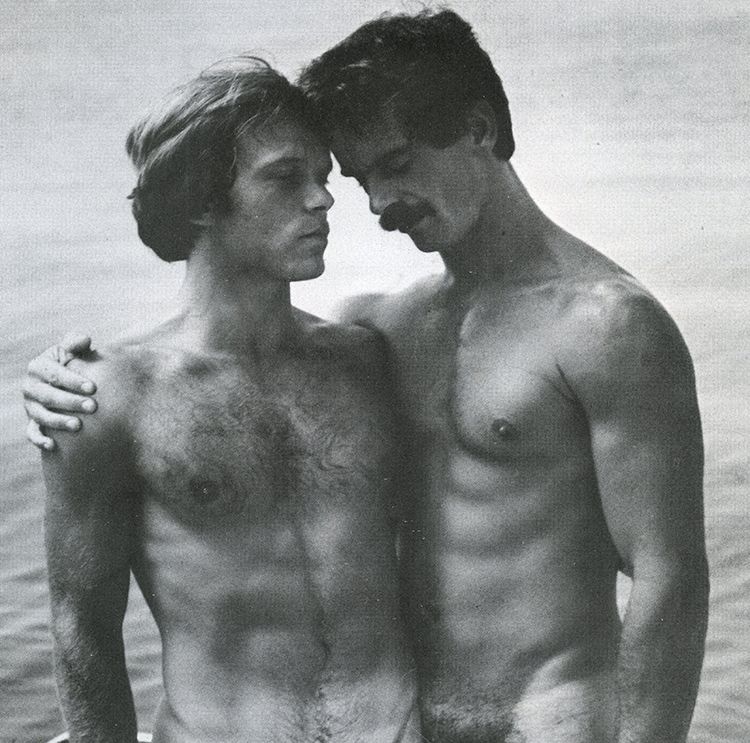
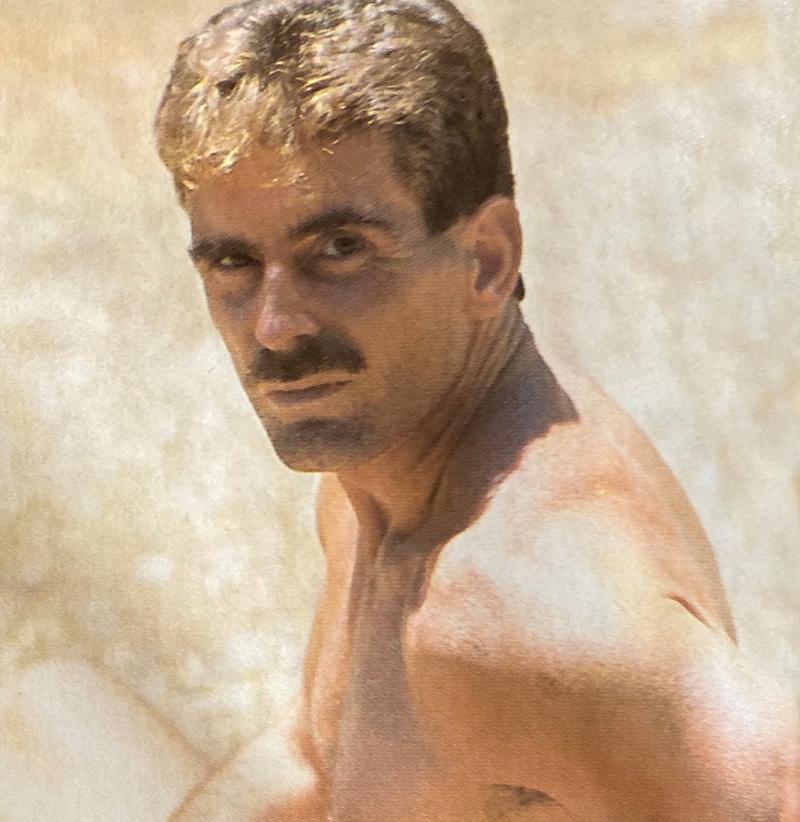
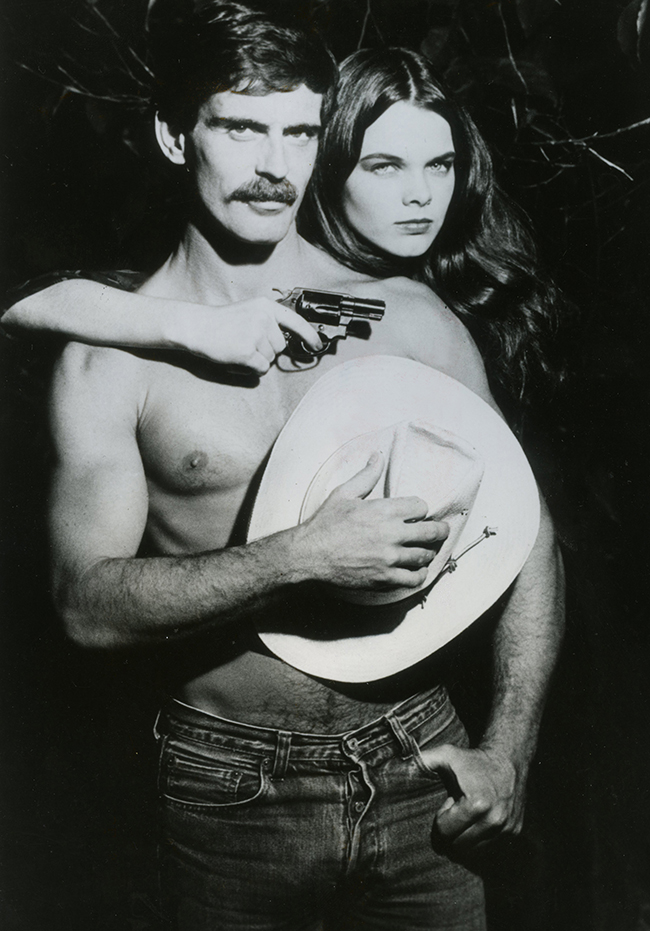
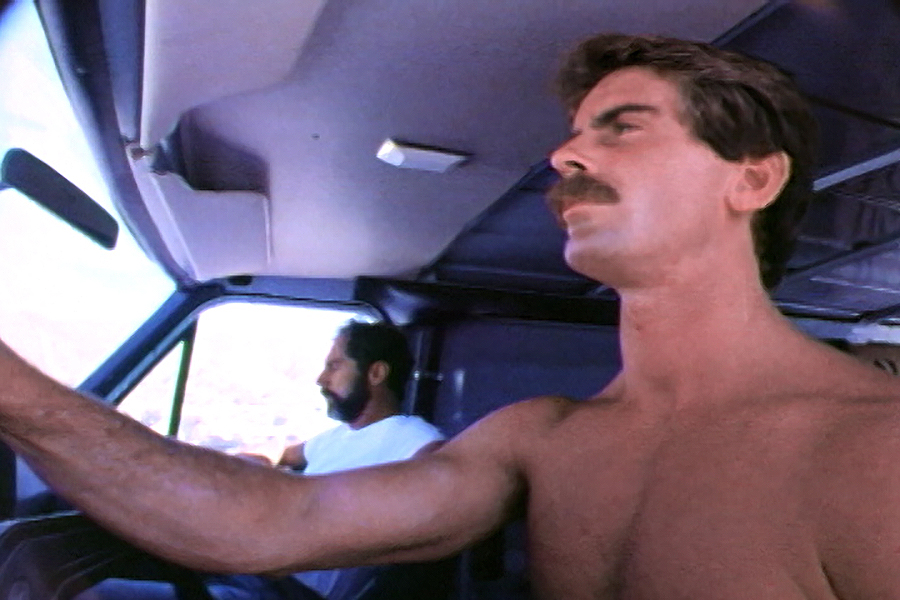
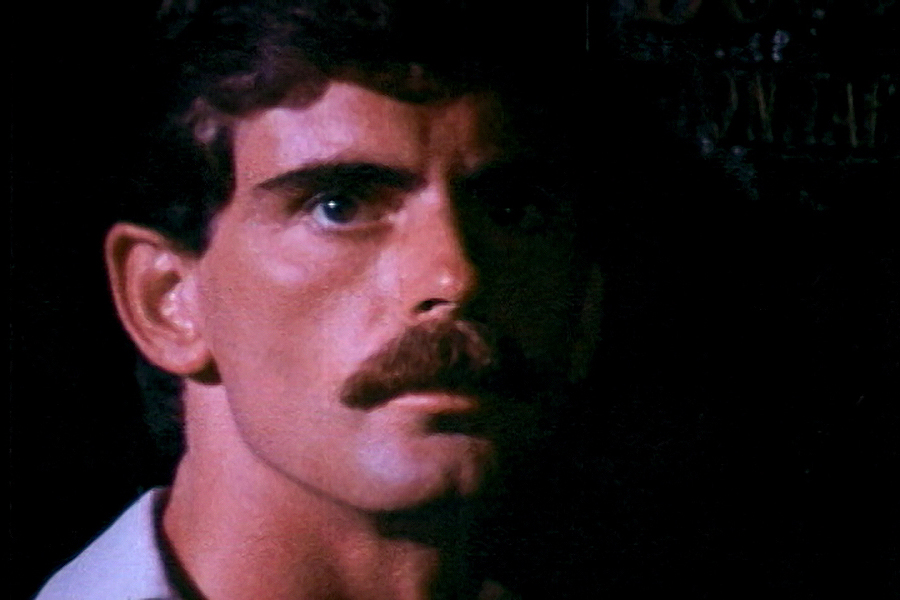
Richard Locke images


Richard Locke - the sexy, confident, bearded daddy, with a hip tattoo of a butterfly and a physique naturally toned from working outdoors (or, as he claimed, from jerking off in front a a mirror for thirty minutes a day) - was one of the first to establish mature men as potent sex symbols in gay porn. He became an icon from his outstanding starring role as Hank, a relatable everyman hero, in the late '70s Working Man Trilogy from the Gage Brothers (Kansas City Trucking Co., El Paso Wrecking Corp., and L.A. Tool & Die). This trilogy brought a new sexual focus to average working class men who have sex with men, and their sexual lives in smaller cities and rural areas across the United Sates, which had a massive impact on gay porn.
 

Vintage Kansas City Trucking Co. poster

Vintage poster (available here) for Kansas City Trucking Co.


Born June 11, 1941 in East Oakland, California, Locke served in the Army in his early adult life, where he worked as a tank mechanic. He returned to California and eventually began starring in porn in his mid-30s, quickly ascending to star status. Locke worked on films with some of the finest auteur directors of classic gay porn (Joe Gage, Arthur Bressan Jr., Steve Scott, Wakefield Poole) and biggest stars (Jack Wrangler, Will Seagers, Fred Halsted, Clay Russell, Roy Garrett, Casey Donovan). He even had a sex scene with his real-life lover, Alex, on the roof of their Desert Hot Springs home in Wakefield Poole's Take One (1977). Locke used his real name in porn, telling Jerry Douglas in an interview for the December 1992 issue of Manshots, “I'm very proud of my work and everything I do. An artist signs his name to the canvas, and I sign my name.”

Locke's films (narrative features, experimental/art porn, straight-forward sex films/loops) and characters span a wide variety. His character Hank focuses on raunchy casual encounters throughout the majority of the Working Man Trilogy, but shows his soft side by following his dream man (played by Will Seagers) across the country in L.A. Tool & Die, and Arthur Bressan Jr.'s Forbidden Letters also focuses on a romantic storyline. (Locke also appeared in a smaller role in Bressan Jr.'s Passing Strangers.)


=

Locke on Will Seagers, co-star of Cruisin' the Castro and L.A. Tool & Die: "There was a magic between Will and me, and that happens very rarely onscreen... Every time we had a scene together, we came at the same time, just like the honeymoon couple. There was a magic." (Manshots, December 1992)


In contrast to his romantic roles and the easy likability of the trilogy's Hank, in Joe Gage's 1982 release, Heatstroke, Locke plays a mean sonofabitch, the gruff ranch foreman (though with a knowing sense of humor). In addition to his countless filmic sexual encounters, Locke gets into two memorable brawls on screen, both in Heatstroke and L.A. Tool & Die, tossing a homophobe out of a gay bar in the latter.
 

Heatstroke and L.A. Tool & Die brawls


Heatstroke and L.A. Tool & Die brawls (pictured above); Hank in L.A. Tool & Die: "If there's anything I like better than sucking cock, it's kicking ass."


In this fascinating 1978 interview with Richard Locke, conducted by his brother Robert, Richard stated his goal in making pornography: “When I was coming out, I didn't feel good about myself. Now I do feel good and I want to share that. If I can project that solid, good feeling within myself into the audience, to people who don't feel good about themselves, if they can say, 'That's what I like; that's what I want to be like, open and free,' then I will have accomplished one of the goals in my life – to bring freedom to other people, the freedom of being themselves.”

Later in his career, Locke toured the country performing live strip/jack off shows for enthusiastic crowds (including at the Bijou Theater), published two books (Locke Out and In the Heat of Passion), authored a play (Loving), mountain climbed, and lived in a sparsely-populated part of the desert outside Palm Springs, where he did body work as a licensed masseur in the city and, out in the desert, worked with his interests in rural and self-sustaining/do-it-yourself living by building a geodesic domed home with a working solar and wind power system.
 

Richard Locke striptease from a suit into leather gear

"Here's another one of my gimmicks: to take the ordinary and mundane and make it erotic. When I went to Washington, I took a business suit with me, and I stripped out of that suit into leather. Everybody in Washington has to wear a suit because they work in the government, so I took their 'ordinary' and eroticized it." - Locke in Mandate, October 1987


After his 1983 HIV positive diagnosis, Locke turned his focus to activism. In the '80s and '90s, he used his platform as a popular porn star to tirelessly spread information about safer sex practices and health services during the AIDS crisis, in radio and magazine interviews, at seminars, and even at his strip show appearances (which featured creative and practical safer sex activity demonstrations).

Magazine clipping reading Richard Locke: Responsible Sleaze During the AIDS Crisis. The legendary King of Sleaze is changing his sexual style, and offers some tips on how to do it without becoming a celibate monk!
Richard Locke safer sex inspiration images from Advocate MEN

“I'm very positive about stopping fluid exchanges... Still, I have a great sex life... I was on radio station KPFA for about 15 minutes before they censored me. I said, 'testicular fornication.' The moderator said, 'Well, what's testicular fornication?' And I said, 'Ball-fucking.' We went off the air for 45 minutes.' (Advocate MEN, March 1987)


Richard Locke nude, holding a condom

“One of the things [Locke] does in his shows, he says, is to jerk off that legendary scholong and then toss (unused) condoms at his audience. 'And I say – remember when your mammas told you to wear your rubbers? Well, now your daddy's telling you!'” (Advocate MENMarch 1987)


During this period of time, he additionally worked with support groups, raised money, protested, publicly advocated for condom usage for individuals as well as porn studios (saying he was blackballed in the business as a result), visited patients in hospital wards, and much more that is likely not chronicled. This beautiful article - “Two Kinds of Hero: Richard (Butterfly) Locke” - provides some insight into that chapter of his life.

Locke was inducted into the Hall of Fame at the 1994 Gay Erotic Video Awards. He died of AIDS-related complications in 1996.

Richard Locke was known for being a charming combination of strong, caring, bright, unpretentious, and entirely genuine; a down-to-earth guy and a confident, unapologetic gay man – qualities reflected in many of his movie roles. Bijou owner Steven Toushin described him as a very kind man and director Joe Gage (in this interview discussing his films, including commentary on Locke) called him “the last of the true live-and-let-live hippies.”
 

Richard Locke images

“The nice thing about film is that I will live a long time, even after I die. 'Cause it's there.” (Manshots, December 1992)


Through Bijou Video, you can find Richard Locke in our fresh new release, Heatstroke (DVD | Streaming) as well as in a number of other classics we carry, including the collection The Best of Richard Locke (DVD | Streaming).

Online Sources and Further Information:
My Brother the Porn Star: An Interview with Richard Locke
Keep on Truckin': An Interview with Joe Gage
Two Kinds of Hero: Richard (Butterfly) Locke
Ask Any Buddy podcast: Kansas City Trucking Co.
Wikipedia – Richard Holt Locke
Gay Erotic Video Index – Richard Locke
 

Heatstroke and The Best of Richard Locke DVD covers
  10674 Hits

David's Chicago Sexual Underground - 5/29/20

David's Chicago Sexual Underground header

Greetings P(r)icksters,

Still sitting here with an idle shot glass. Illinois just moved to Phase 3 on reopening which allows for some businesses to reopen, restaurants to serve outdoor seating. Phase 4 will permit fuller openings, indoor dining and bars to open with strict limits on the number of patrons we can have at one time. Here in Chicago, we will move to Phase 3 next week and hope, hope, hope Phase 4 by the end of June.

This down time has given us at Touche some time to tackle a few projects that would have been hard to do if we were open. The big job is refinishing the main bar. The bar in the front room has wooden cabinets and front with black counters and bar top. There is a nice wooden bar rail that runs the length of the bar but years of elbows and such have worn down the finish.

So we began a couple of weeks ago to remove the cabinet doors, sand them down, re-stain them and then polyurethane layers to keep them clean. This past week, we began the project of stripping off the old bar countertop and then sanding down the top and bar rail. Today we finish this process by cleaning up all the dust.

Next week it will be time to stain the wood rail, then the polyurethane and, last, install the new countertop. Trying to do this with the bar open would have been a nightmare. We would have had to do it in sections to be able to serve and add several more days to complete. Guess there is one good thing about being shut down.

Since this past Memorial Day weekend would have been IML weekend in Chicago, we hosted a Zoom leather party on Saturday. It was my first time doing something like this and it seemed to go fairly well. We had about 100 folks log in during the three hour event, with many hanging around all night. Being new to Zoom, I did not fully realize that folks could message each other or the whole group at the start and was concerned why folks were visible but not seeming engaged. It finally dawned on me that they were busy chatting with each other.

Lots of compliments, “glad you hosted this” and more let me know that it was a success. I’ll be planning more in the next few weeks while we wait to get the bar back open.

Right now, I am finalizing plans for when we do reopen. Guidelines for reopening will limit our capacity to 50 people at one time, so there goes any thoughts about big events. We will just focus our attention on safety procedures for when we have guests, keeping seats and counters sanitized, etc. But the big changes will be how we operate with limited crowds.

First of all, we will limit the space open for customers. Touche has the main bar in the front and our Club Room bar in the back. This area was originally a garage behind the building - an auto shop, so it is fairly large. Years ago before this space became Touche, the previous owner had connected the two buildings and built a bar in the old garage space.

When we reopen, we will not open this back bar, keeping the crowd to the main bar. That way the place won’t look deserted when the small crowd spreads out between the two bar spaces. Plus I can save on the A/C back there, now that summer is here. along with the coolers running to keep beer cold.

Another change will be the crowd itself. Before the shutdown, you could see that guys were already staying home as the virus spread, and our numbers were coming down. One question will be how many are ready to venture back out once we reopen. Less travel means less visitors, too. So we may be lucky to get 50 guests at one time.

A third change would operating at a 50 person limit. Much as I hate to admit it, some folks feel they can hang at a bar without spending a dime. Going back to our days with the Great Lakes Bears, we’d have a packed house and a line of guys waiting to get in to the wee hours. After the demise of the GLB and competing bars for the bear crowd, we no longer had lines outdoors but still did about the same bar ring. This told me we had guys taking up space inside that were not drinking, or “sucking ice” as we call it.

To make sure we can make enough sales to stay profitable, we may institute a drink minimum on weekends to ensure that if you are in the house, you are supporting the house. It’s a whole new world.

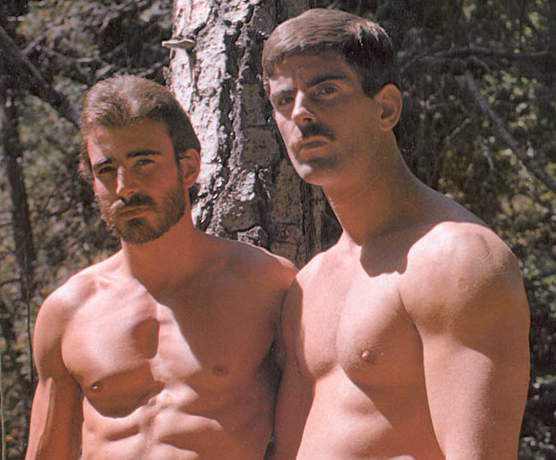
While I am figuring out when we open and what we will do for fun, go ahead and grab my P(r)ick this Week and make your own fun. It’s warming up so let’s enjoy the great outdoors this week. My first P(r)ick this week is Rangers from Surge Studio. Directed by Al Parker himself, this 1984 outdoor epic (shot in the Sierras) focuses on the exploits of the ever-vigilant, ever-patrolling park rangers (beefy, tattooed Chris West and lean Nick Rodgers) and the campers they come across.

Moving from the Sierras to northern California, my second P(r)ick this week is California Blue from 1983. The late, great cutie Scott O'Hara (the of the one time Biggest Dick in San Francisco) stars in and narrates this excellent little collection of sun-soaked scenes. This vintage gay porn movie is set in California, with beaches, redwood forests and the like, and it's definitely blue.

Enjoy a Bijou Classic to beat the stay-at-home blues (and beat something else).

David

To order from Bijou, visit bijouworld.com, call 800-932-7111, or email This email address is being protected from spambots. You need JavaScript enabled to view it.


Rangers images
Rangers (D00397) - On DVD and Streaming

California Blue images
California Blue (D01007) - On DVD and Streaming

  2313 Hits

Mad Scenes

Posted by Madam Bubby


Usually a “mad scene” specifically refers to a particular scene from an opera written by bel canto composers of the early 19th century, such as Donizetti and Bellini. A soprano, usually suffering from a romantic love crisis, goes insane, and expresses her insanity, paradoxically, in difficult, complicated coloratura passages that require great vocal control.

The most famous occurs in the opera Lucia di Lammermoor. Lucia, in love with the family enemy Edgardo, is forced to marry someone her brother chooses, Arturo. Lucia kills Arturo on her wedding night. I grew up hearing the gay icon Maria Callas singing this scene on record, and I was mesmerized that she was able to invest the scene with such drama and a dark, complex timbre. Here was no Snow White singing tra la la to the birds. But, interestingly enough, the opera does not end with the mad scene. Lucia dies offstage, and her lover, Edgardo, kills himself. He actually gets a kind of tenor mad scene. But it’s generally the ladies who go mad, which reflects quite blatantly the Victorian view that women, the weaker sex, were more prone to mental disturbance: potential hysterics.


Callas as Lucia

Callas as Lucia


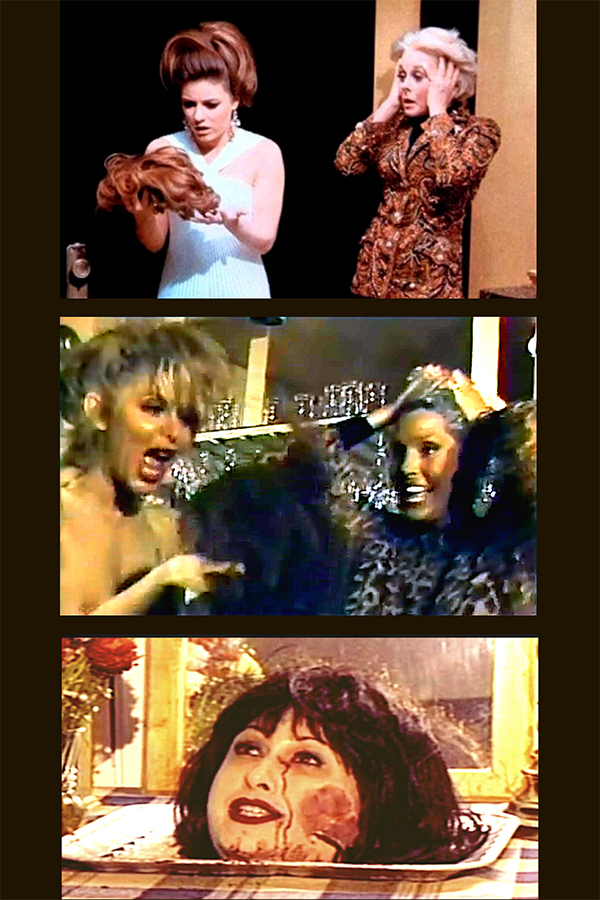
The mad scene by the middle of the last century started moving to the end of movies, crystallizing to some extent in the grand dame guignol movies of the late 1960s and early 1970s. The end of Sunset Boulevard, the famous “I’m ready for my close up, Mr. DeMille,” scene of Norma Desmond, deconstructs the mad scenes of operas, because she thinks she is playing the necrophiliac Salome. One even hears a bit of music from the Strauss opera as she descends the staircase (that prop usually occurs in Lucia mad scenes). In fact, by the time Strauss wrote his opera Salome, one could even say the female protagonists of many operas written by that time were mad for the entire opera (or most of the time).


Noma Desmond at the end of Sunset Boulevard

Norma Desmond at the end of Sunset Boulevard, Source: https://icsfilm.org/essays/the- devil-is-a-woman-sunset-boulevard-norma-desmond-and-actress-noir/


Thus, Baby Jane Hudson in Whatever Happened to Baby Jane? dancing on the beach with ice cream cones and others of her ilk come out of a rich tradition. The director Robert Aldrich really seemed to build his grande dame guignol films toward a final mad scene for the female protagonist, though in his underrated Autumn Leaves shows a male, played by Cliff Robertson, going mad, and he gets several scenes, but the most terrifying one occurs at about midpoint.

But it is also a scene of horrifying domestic violence (he throws a typewriter at his wife, played by Joan Crawford, after slapping her around). Like Edgardo in Lucia, he accuses her of treachery, but she is innocent. In reality, his father slept with his now former wife (she a willing accomplice), and discovering them together precipitated his descent into what, based on the movie, is paranoid schizophrenia.


Joan Crawford and Cliff Robertson in Autumn Leaves

Joan Crawford and Cliff Robertson in Autumn Leaves, Source: http://graham-russell.blogspot.com/2018/10/reflections-on-autumn-leaves-1956.html


Aldrich created another mad scene in The Killing of Sister George, a groundbreaking LGBTQ movie on so many levels, not only for its filming a scene in an actual lesbian bar, but, for the fact that the protagonist, June Buckridge played by Beryl Reid (known as George because of the character she plays in a soap opera, Sister George, a jovial country nurse in an English village) is out and proud as a lesbian. Many critics today tend to place this move in the “self-hating” LGBTQ subgrenre. Yes, George is certainly not the most stable person. She yells a lot, drinks a lot, and certainly, which one could argue isn’t really a character flaw in some of the situations she encounters, shows no compunction about telling some persons off in not the most dainty language.

Her relationship with Alice does not strike one as being the healthiest by today’s standards. I remember watching the scene where George, always jealous, punishes Alice for a supposed flirting (with a man) by making her kneel before her and eat her cigar. For the mid 1960s, this scene was risqué, and I perceived that perhaps there was some element of BDSM play involved, but it also seems to be moving into the realm of emotional abuse. And it’s not Alice as the victim of the “bull dyke” George. Alice is blatantly egging her on, and by pretending to enjoy eating the cigar; yes, she does take back control of the dynamic, knowing she is hurting George by, as George both yells and cries, “ruining” it.

Thus, one can see the characters aren’t camp caricatures. The character George plays gets killed off in the series (hence the title), and the fate of her career and relationship gets wound up in the machinations of the cliched reptilian predatory lesbian, played by Coral Browne.

Spoiler alert: she loses her job and her lover; the Coral Browne character in a scene of underhanded viciousness at George’s farewell party at the television studio suggests she get a job playing the voice of a cow in an animated puppets series for children. A gut-wrenching scene occurs when Alice leaves her. Reid masterfully plays it as both horribly hurt and horribly angry together, the emotion much like that of another spurned operatic character, Santuzza in Cavalleria Rusticana (from the time of whole “mad operas”). Shortly thereafter, George enters the empty studio, smashes the camera equipment, and beings mooing like a cow. She is wordless. No romantic words, no ecstatic high notes like Lucia sings, no cameras for a Norma Desmond close-up.


Beryl Reid as George in The Killing of Sister George

Beryl Reid as George in The Killing of Sister George, Source: https://thelastdrivein.com/category/1960s/the-killing-of- sister-george-1960/


But, is she really mad? Does she really enter another reality like Lucia and Norma Desmond and Baby Jane? She’s not fantasizing about a marriage that never took place, and she’s not retreating into memories of a forever lost stardom. It seems she’s justifiably enraged, but also, given her indomitable character, understanding that she will do that job. She knows she has lost. She knows it’s degrading.

And like many LGBTQ persons, she knows who she is, and because she knows, she can choose, or at least to try and choose, what happens in her life. What’s sad is that she feels like she can only choose her losses. I just wonder if she’s really at the same level of victimization and its sister, in those cases, madness as the Romantic heroines of opera or the characters like Baby Jane who are both torturer and victim in grande dame guignol cinema.

Similarly. the complex dynamic where the madness, or appearance of madness exists perhaps to crystallize at the highest level of tension the torturer/victim binary, appears in a retro gay porn movie, Drive, directed by Jack Deveau (which Bijou carries on DVD and streaming). The mad Arachne plots to kidnap a scientist and eliminate everyone’s sex drive.


Christopher Rage as Arachne in Drive

Christopher Rage as Arachne in Drive


Arachne (Christopher Rage aka Mary Jim Sstunning) certainly camps it up as she attempts to set her diabolical plot in motion. But the movie unveils at the end how the one who desires to castrate is actually ferociously repressing her own sexuality. She is last seen in a dungeon with the men she had imprisoned. Secret agent Clark liberates the prisoners, and Arachne is left alone. But this whole mad porn opera contains a moment of somber lucidity. Arachne holds a glass bottle with a severed penis. She knows she is forever trapped in a cycle of endless desire like a spider in a web, consuming its mates but never satiated:

“I hunted at night until it wasn’t enough to hunt only at night, and then I hunted during the day too. I couldn’t stop. I didn’t want to stop. My thoughts were only of hard bodies, rigid with the desire for me — beautiful men swollen with the need for me. They were all around me and I chose the ones who looked most eager.

“Until I saw a man who was so perfect, with a hunger in his eyes that reflected my own hunger — and I knew he was the one. I knew we could feed from each other, claw at each other with a need we didn’t care to understand.

“Drugged with desire for each other’s hot naked skin, tense muscles pushing — and then filling me with his need, white and hot. Crushing me with his strong arms, pressing down on me and into me, until I closed my eyes with the ecstasy and perfection of him, and I screamed for him — and I screamed for me. 

“And I opened my eyes and I was alone.

“And I vowed then that I would bring an end to it all. Man would have to search no more: Arachne would be the answer.”

She knows. She knows who she is, ultimately more frightening than the mad scene at the end, which usually ends in the liberation of death.

  4260 Hits

Rhythm

Posted by Madam Bubby


When I journeyed to New York for the first time in 1994 for the 25th anniversary of the Stonewall riots, I ended up the night before the parade at a wild sex/play party with a hot leather BDSM top I had just met at a dance in the Armory. The location of the party was in some area of the East Village, I think. When I saw the purple and green walls and the coked up bouncer, my first thought was I was in some kind of Fellini movie.

And then I saw it: the orgy. I couldn’t even distinguish the faces, even characteristics of the individual bodies; the guys groping and pulling and grimacing seems liked one writhing body. I was both attracted and repelled. My new friend and I looked at each other curiously; we tried to mask our insecurities in thinking we were above such lowly, ordinary lusts. My friend would have wanted to separate that group, tie up some of the hot ones with the rope he was carrying; he would contain, tame, and dominate that energy, that fervid rhythm. Yes, there would be pleasure, but not equality. He would break any boundaries, and they would follow him, succumb to his power.


Orgy scenes from classic gay porn films

Orgy scenes from 10:30 P.M. Monday, Turned On!, The Goodjac Chronicles, and Closed Set


Elias Canetti in his profound study of crowd behavior Crowds and Power claims that humans’ instinctive drive to participate in the power of the crowd comes from something at one level simple, something we don’t always think about consciously, rhythm, but the rhythm of footsteps. He makes the observation that we walk on two legs, but the feet attached to the legs strike the ground. A person can only movie if they continue to make this action.


And, those “two feet never strike the ground with exactly the same force.” We are different yet the same, and when persons listen to and in some cases merge into the footsteps of others, including animals that naturally congregate in herds, he was drawn to do the same, feeling that power, that ”invincible unity.”

Canetti analyzes a description of the Haka dance of the New Zealand Maoris, originally a war dance, but now performed by rugby teams as both a warm-up team spirit exercise before the game, and, after the game, a victory dance.


Haka dance

Haka dance - Source: https://www.huffingtonpost.com.au/2015/10/14/haka-rugby- world-cup_n_8290712.html


What’s interesting is in its original situation as the war dance, the performers were naked. And after much showing off of individual agility, including some form of “perpendicular jump,” the dance escalates to a paradoxically frenzied yet controlled unity of movement; Canetti writes, “it is as though each body was taken to pieces, not only the arms and legs, but also the fingers, toes, tongues, and eyes; and then all the tongues got together, and did exactly the same things at the same moment; all the toes and all the eyes become equal in one and the same enterprise.” They are separate bodies, but it looks as if it one body with many limbs and heads. They are dense, equal, one. Yet ultimately it is a performance, done in times when the culture as a whole encounters boundary moments such as welcoming visitors, funerals, and communal feasts.

The literal hunt for the herd eventually became various forms of the dance, a release of that primal energy that for a brief moment blurs cultural boundaries that deter the power of the crowd, displace and deflect the power away from persons onto computers.

Rather than initiating rhythm from what we heard and felt in those original footsteps, we now try to contain it by digitizing it. It is seen, but we can’t always see who is seeing. Everything becomes a performance, but that means nothing really is one in the new world of Zoom.


Group Zoom meeting

Group Zoom meeting - Source: https://www.timeout.com/things-to-do/best-things-to-do-at-home- stuck-inside-bored


I just can’t imagine a Zoom orgy, BDSM play party, or even Haka dance. The separate but apart dynamic implodes, and it’s not just because of the physical dimension obviously isn’t there; what’s lacking is that feeling of invincible unity based on rhythm and density. Imagining yourself as a participant of course can evoke that feeling, but it’s like an imitation of an imitation. And you are alone. Not even lonely in a crowd.

  2439 Hits

Great Non-Sex Moments in 1970s Gay Porn Films

Posted by guest blogger Miriam Webster


While, of course, sex scenes are the almost always the primary focus of porn films, there are also some amazing and fascinating moments that are not sex scenes in many of these films - particularly in classic porn of the 1970s, which frequently took a narrative, cinematic, or artistic/experimental approach to filmmaking - that are often not highlighted. I wanted to take a look back at an old blog to draw attention to some of the greatest non-sex-scene (though still often erotic) moments in the porn of that decade. Many of these are pulled from the releases of Hand in Hand Films. Sometimes these sequences were lead-ins to sex scenes. Sometimes they served to advance the film's narrative, or flesh out a character or an interpersonal dynamic, or talk about gay life and relationships and communities of the era. Sometimes they are notable because they capture something that is historically interesting. Following are several examples from the Bijou collection. You can find more about the great sexual content of these films on their individual pages, but here is a taste of some additional elements they have to offer!


The Night Before (Arch Brown, 1973): Lady in Red / Dance Scene

Main character Hank (Coke Hennessy) goes for a stroll with a package he picked up on his way to deliver it to its recipient, the man with whom he recently got involved. In the park, he sees a woman wearing all red dancing and the song The Lady in Red suddenly comes on. He joins her in dancing for a brief, amusing moment. He then sits on a park bench and unwraps the package. Inside is a large print-out of a cover of The Advocate featuring a photo of two men taken by his lover. As Hank studies this photo, it comes to life and we see the men (Tim Clarke and Jeffrey Etting) perform a gorgeously choreographed nude dance number set to an operatic score by frequent Hand in Hand Films composer David Earnest.


The Night Before images


Casey (Donald Crane, 1971): Casey talks to his fairy godmother

In several sequences from Casey Donovan's first film (shot before but released after The Boys in the Sand), Casey speaks to his fairy godmother, Wanda Uptight (also played by Donovan, in drag), who has appeared in the mirror to give him some harsh, but insightful advice on his habits and love life (or lack thereof). Wanda first appears after Casey wakes up by jerking off in bed unsatisfactorily, then sings to himself in the bathroom as he washes down a series of vitamins with a swig of Southern Comfort, lights a joint, and stares himself down in the mirror. Wanda appears over his reflection, startling him out of his self-loathing, and she dishes out some tough love, chewing him out for not taking care of himself, chasing cock constantly, and not knowing what he really wants. (“Anybody who can wash down raw liver substance and vitamin B complex with Southern Comfort is depraved!” “Three nights a week in a Turkish Bath! You'll dehydrate yourself!”) Their very clever dialogue, expertly delivered by Donovan, is both funny and incisive, dissecting Casey's internal conflict around love, sex, and self-acceptance. (Read more about Casey Donovan here.)

Casey images


Adam and Yves (Peter de Rome, 1974): The final film appearance of Greta Garbo

An American man, Adam (Michael Hardwick), and a French man, Yves (Marcus Giovanni), play mysterious sexual mind games throughout their brief, but intense, Parisian love affair, including the rule, enforced by Yves, that they may never know each other's names. The sights of Paris are a fascinating backdrop, but the most surprising and historically notable moment in the film comes when Adam recounts an incredible time when he saw Greta Garbo from the window of his apartment. Director Peter de Rome accompanies this story with the actual last-known footage of Garbo, herself, shot from his own window on super 8 film.


Adam and Yves images of Greta Garbo

Greta Garbo in Adam and Yves


Ballet Down the Highway (Jack Deveau, 1975): Sloppy strip tease

Closeted truck driver, Joe (Garry Hunt), falls hard for ballet star Ivan (Henk Van Dijk) early in their ill-fated affair, but is intimidated by Ivan's talent, fame, wealth, and gorgeous physique. Ivan belongs to a world where he can comfortably be out and Joe does not. Ivan lives in an expensive apartment and gets fancy Dutch music boxes delivered to his vacation home; Joe gets drunk in a blue collar bar in the rumpled suit he wore to go see Ivan perform in the ballet (which he was too proud to let Ivan get him into for free) and is heckled for being gay by his buddies. Totally wasted after a night at the bar, Joe calls Ivan, who is irritated with him, then shows up to Ivan's apartment anyway. He changes Ivan's radio from a classical station to something faster with saxophone, saying he wants to dance, groping Ivan, and complimenting his beautiful body. Ivan pushes him away. Joe, hurt, mocks Ivan as he insists he is a good dancer, too, and proceeds to do a drunken, sloppy strip tease in Ivan's living room, dropping pieces of his suit on the floor, smirking, singing, mimicking ballet moves, sniffing his own sock, and finally pretending to drink out of his shoe while sprawled across Ivan's floor. All the while, Ivan ignores Joe and plays solitaire. The acting and character work is strong in this scene, the tense dynamic between these two men coming to a head.

Ballet Down the Highway images


L.A. Tool & Die (Joe Gage, 1979): Fight scene, Vietnam flashback, work/getting to know you montages

Joe Gage's L.A. Tool & Die is full of strong character-building sequences. Early on, we see the hero, Hank (played by Richard Locke), hanging out in a gay bar and trying to cruise a handsome stranger (Wylie, played by Will Seagers). In the bathroom, Hank runs into a homophobic man who works for the bar owner. The man calls Hank a cocksucker, to which Hank grins and calmly responds, “You'd better believe it. The only thing I like better than sucking cock is kicking ass.” He tosses the man out of the bathroom and roughs him up a bit. The man, no match for Locke, runs away as Locke smirks, having not even gotten worked up or broken a sweat.

In a later scene in this film (which is essentially a road movie), Wylie is taking a break from his cross-country drive to walk along the beach at sunset. In a close up, we see that he's crying. Gage cuts to a flashback of a younger Wylie in Vietnam, holding his dying lover in the battle field. His lover tells Wylie that he doesn't think he's going to make it and that he must promise not to forget him, but also to love somebody else some day.

Near the end of the film, Hank and Wylie reunite when they both get jobs at L.A. Tool & Die. Hank learned that Wylie was traveling there for work and decided drive clear across the country to do same. Two beautifully-cut montages and a dialogue sequence show the two men getting to know each other while working and taking breaks together. Wylie appreciates Hank being patient with him; he has been reluctant to get involved with anyone, but is clearly warming up to Hank. Throughout the film, Locke imbues Hank with an easy, warm sort of charm and a sexy, confident swagger and Seagers gives Wylie both a sweet, shy vulnerability and a quiet strength. The two men have enormous chemistry and the actors and characters compliment each other well, their connection and relationship feeling believable. (Read our recent blog on Richard Locke for more about the Daddy of all Daddies.)


L.A. Tool & Die images


Wanted: Billy the Kid (Jack Deveau, 1976): I'll Be Your Mirror

New Yorker Billy (Dennis Walsh) is an unsuccessful actor and quite successful hustler. Between memorizing lines and gossiping with his friend (Megan Ross), seeing tricks, and exercising, Billy takes a quiet break to smoke a joint and listen to a song. It's a slow, folky original composition (“I'll Be Your Mirror” - lyrics by the film's writer, Moose 100, and music by David Earnest) and the camera is fixed on Billy throughout its duration, as he sits, contemplative, smoking, listening, and occasionally mouthing along to the lyrics. He is broken out of his reverie by a phone call from a regular, and they swap some creative and provocative dirty talk.


Wanted: Billy the Kid images


Confessions of a Male Groupie (Tom DeSimone, 1971): Party scene

This early Tom DeSimone film is possibly the ultimate hippie porn, focusing on a community of friends in Hollywood and their love of sex, drugs, and rock 'n' roll. Only minimally a sex film and more of a portrait of the era, the movie soaks up the atmosphere of the time and place as The Groupie (Larry Danser) moves to the area from a small town, becomes best friends with party girl Sweet Lady Mary (Myona Phetish), and cruises the members of a rock band (The Electric Banana). The climax of the film is a wild party sequence starring a large number of friends and acquaintances of DeSimone's (read more about the acid-fueled filming of this sequence in our interview with DeSimone). The attendees – all genders covered in glitter and sequins – laugh, smoke joints, swing on an indoor swing set, playfully horse around and wrestle, cuddle, embrace each other, and dance. The crowd includes a trans couple who were the subjects of two short documentary films (I Don't Know and Hats Off to Hollywood) by Penelope Spheeris (director of punk documentary The Decline of Western Civilization and Wayne's World). (Spheeris also has a great, extensive non-sexual acting role in the 1973 gay porn classic The Brothers by Jason Sato.)


Confessions of a Male Groupie images

Jennifer and Dana in Spheeris' Hats Off to Hollywood


Even with its surprising turn into a cautionary anti-drug tale (after the wild hedonism of the bulk of its run time), Confessions of a Male Groupie – and this sequence in particular – is an incredible document of a real community of queer friends and lovers in the early '70s.


Confessions of a Male Groupie images


You can find all of these movies (except for L.A. Tool & Die, though some scenes from it are available in our compilation, The Best of Richard Locke) on DVD at BijouWorld.com and streaming at BijouGayPorn.com.


  3819 Hits
GO to Top